What happens when code and data become the raw materials of art?
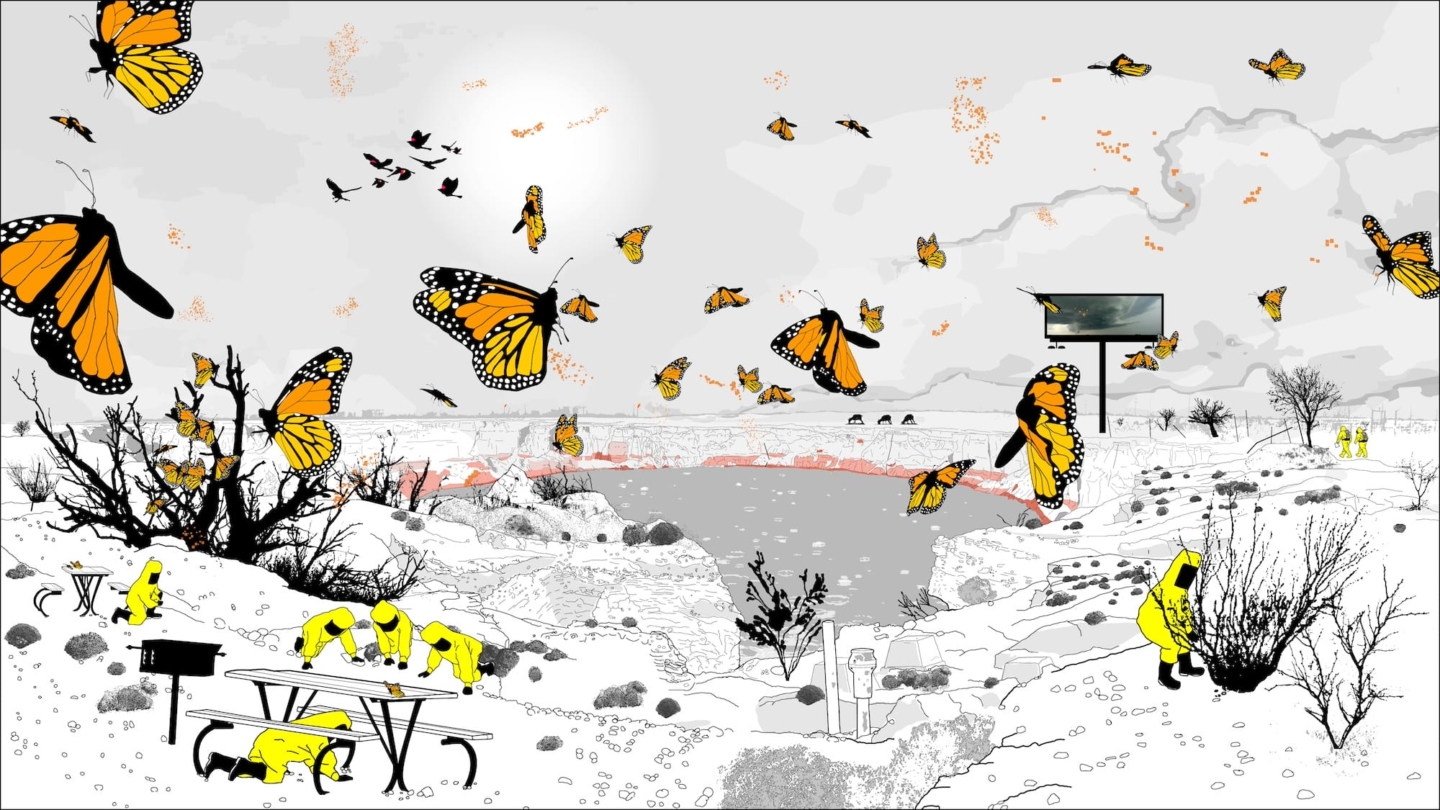
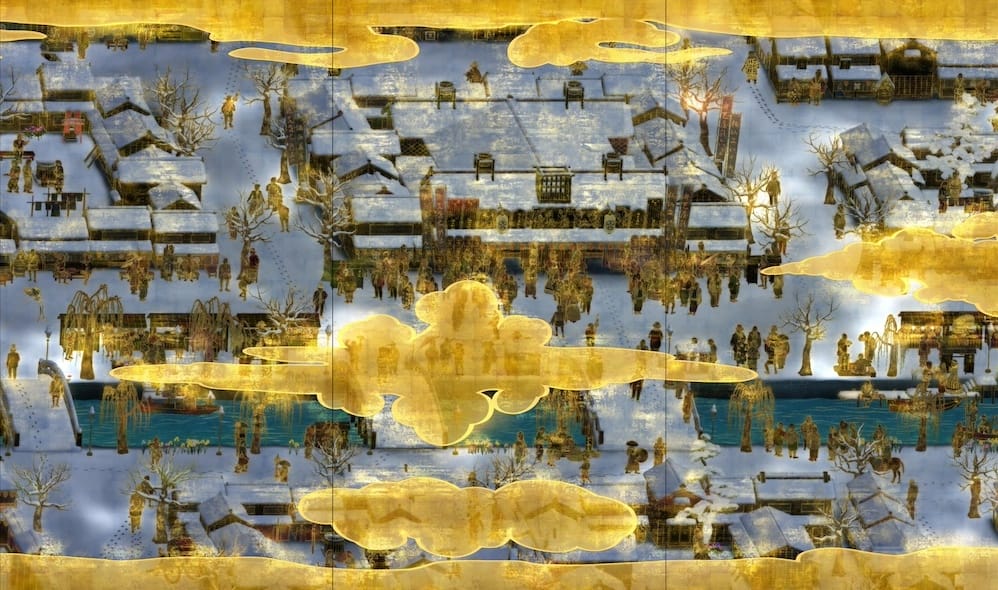
In Run the Code, contemporary artists harness algorithms and generative AI models to create powerful, thought-provoking works that explore nature, art history, internet culture, and human behavior. Showcasing highlights from the Thoma Foundation’s Digital and Media Art Collection, this immersive exhibition transforms digital information into sensory works of art.
Included are some of the most important digital artists working today: Refik Anadol, Daniel Canogar, Madeline Hollander, Rafael Lozano-Hemmer, teamLab, Siebren Versteeg, Leo Villareal, and Marina Zurkow, among others.
Some create interactive systems that respond to your movement, touch, or presence — inviting you to become part of the artwork. Others design custom software that generates ever-evolving images right before your eyes. Digital landscapes reflect on our relationship with the natural world, while other works remix historical paintings and cultural archives through machine processes. Together, these artworks demonstrate that algorithms can be more than technical tools — they can also serve as a creative medium.
Though grounded in advanced technology, these artworks are deeply human, raising important questions for the digital age: What does it mean to create art in a world shaped by data? And how might it help us reimagine our relationship to the information that surrounds us? From immersive installations to complex systems running behind the scenes, Run the Code brings together art and technology in exciting, unexpected ways.
Organized by Hannah Klemm, Curator of Modern and Contemporary Art, Blanton Museum of Art, with Kathleen Forde, Director and Curator, Media Arts, Thoma Foundation
Frequently Asked Questions
Run the Code presents a variety of artworks, such as digital video, LED screen, customized software, and animation, that were created over the past 25 years. The exhibition reflects the broad range of what is considered “art.”
Generative artificial intelligence, or GenAI for short, is a type of computer program that learns patterns from large amounts of data—like photos or text—and then creates new images, sounds, or text inspired by what it learned. Several of the works in the show use generative custom code and software to create art and/or animation, which is a type of AI-powered animation where text prompts, sketches, or still images are used to create moving videos or animations.
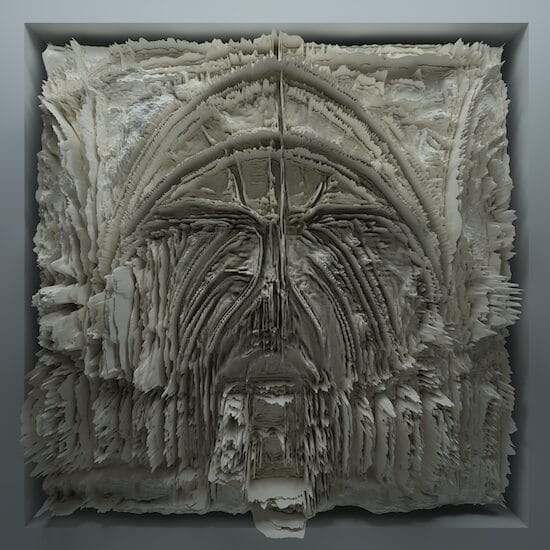
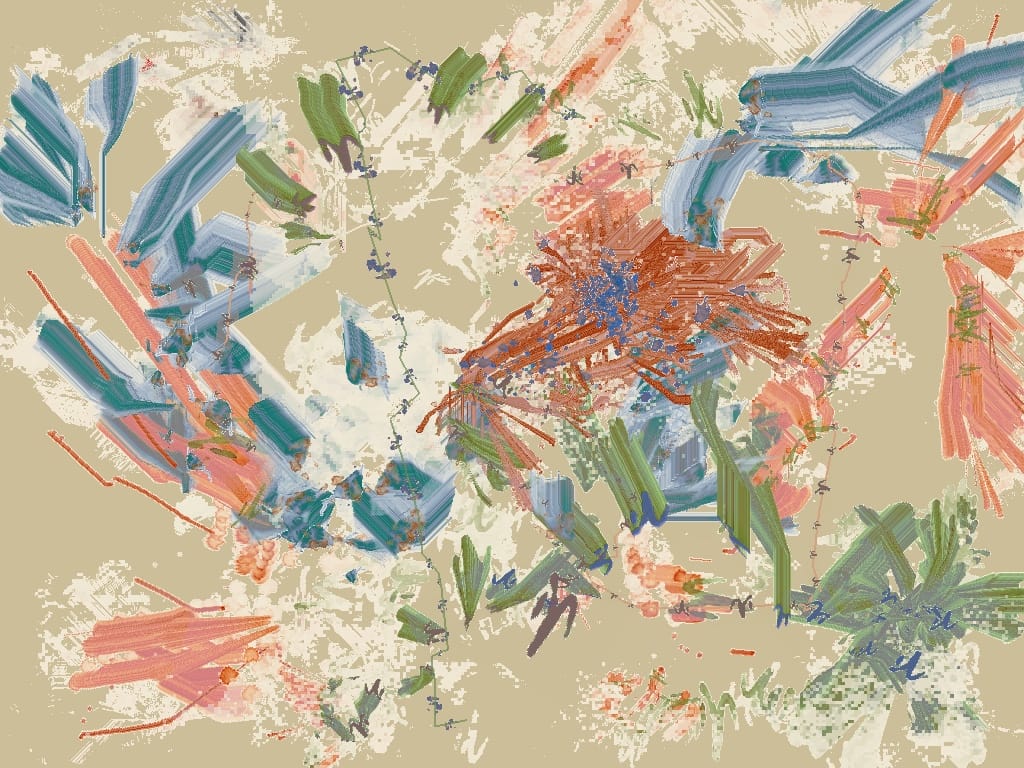
The kinds of AI tools many people know today—such as text-to-image generators or chat-based AI—only became widely available in the last few years. The only work in the show created using what we identify today as AI and machine learning, is Refik Anadol’s Machine Hallucinations – Study I, in which Anadol, an award-winning leader in the field, trained the system on hundreds of thousands of images.
Run the Code is an original and immersive take on today’s modern digital age as seen through the lens of each artist featured in the exhibition.
Much in the way a painter’s brushstroke varies widely, data is used differently by each artist in the exhibition to create art. The result is a one-of-a-kind experience of digital art in which no two works use data the same way.
Works that use live data and information as its published online:
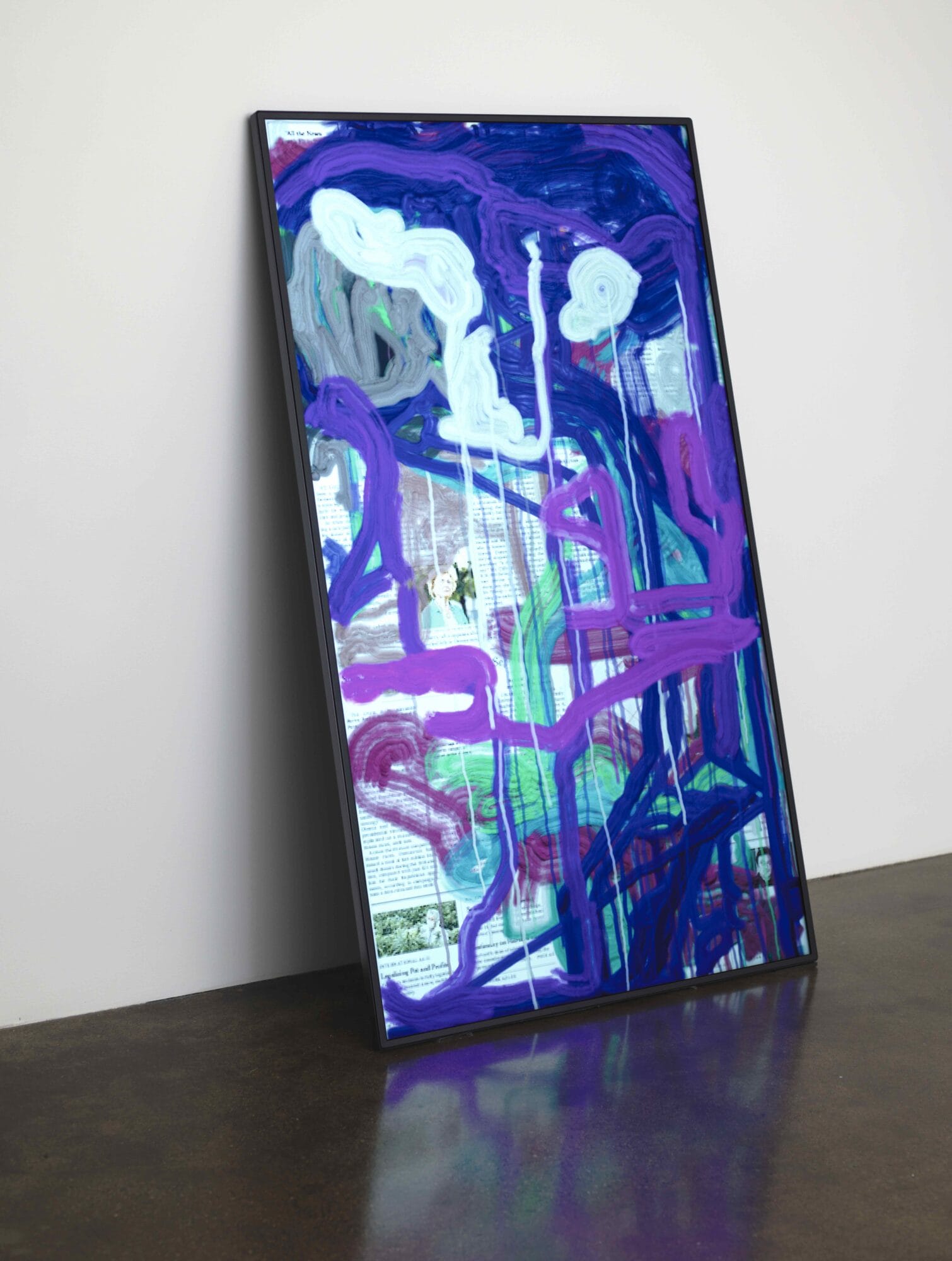
In Siebren Versteeg’s Daily Times (Performer), 2012, the current day’s New York Times is transformed into an abstract painting created by the news cycle.
In Daniel Canogar’s Billow I (2020), an LED screen displays abstract animations generated from live Google search data on everything from news topics to viral media.
All of the artworks invite you to take a closer look and experience them for yourself. Please note: Visitors cannot physically interact with all of the works.
Works that are physically interactive:
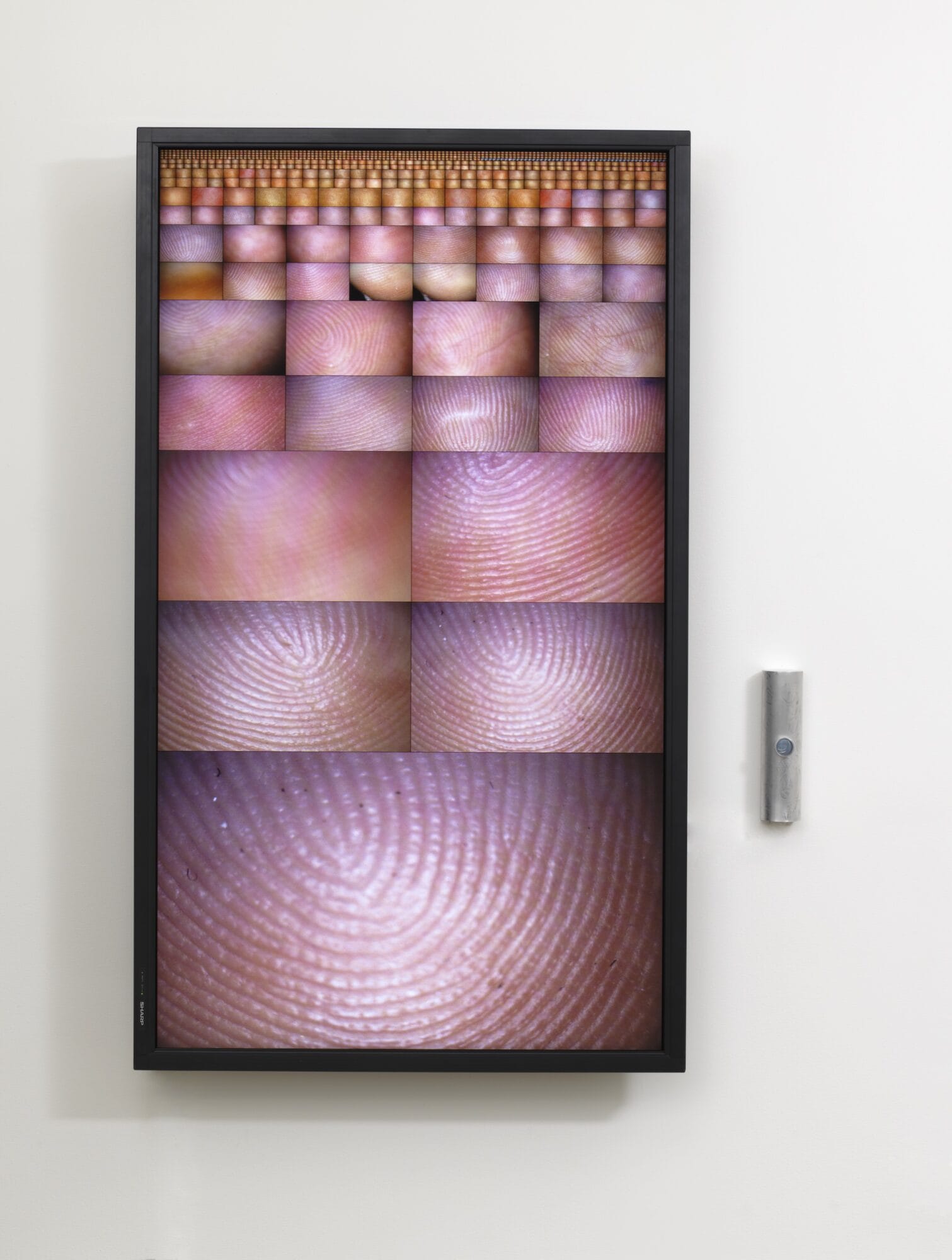
Rafael Lozano-Hemmer, Pulse Index (2010), records your fingerprint alongside your heartbeat, temporarily linking two forms of data commonly used to identify and measure the body.
Camille Utterback, Untitled 5(2004), directly responds to your physical movement. As you move in front of the art installation, a network of gray lines flickers around your body, signaling that the work has been activated. A colored line traces your path across the projection, mapping your movement live in real time. What unfolds visually on the wall is shaped not only by your actions, but also by the movements of those who came before you, bringing new meaning to the term “crowdsourced.”
Martin Reinhart, tx-mirror (2018). In tx-mirror, you encounter a live video of yourself captured at two different moments in time. As you move in front of the screen, your past and present movements collide, allowing you to see yourself from moments ago alongside yourself now.
The Blanton is the only current venue in the world for Run the Code; the exhibition is currently not scheduled to travel.
Absolutely! Casual photography and video with camera phones or handheld cameras is allowed. Please observe these rules:
No flash photography
No tripods, monopods, or selfie sticks
No photoshoots or professional sessions
Photography and video should not disrupt other visitors or limit accessibility of exhibitions, entrances/exits, doorways, and high-traffic areas
We love seeing photos from our visitors! Feel free to tag us @blantonmuseum, we may feature your experience on social!
Our most popular program for young visitors! Read along to a picture book paired with a work of art. This month the theme is nature and the cycles of life, and the book is Within my Branches by Nicholas Michel, paired with an artwork featured in major exhibition Run the Code: Data-Driven Art Decoded by Thoma Foundation X Blanton Museum of Art.
Inspiring curiosity in ages 4–8 years old. Presented with support from community partner Alienated Majesty Books.
1 pm
Looking Together
Michener Gallery Building
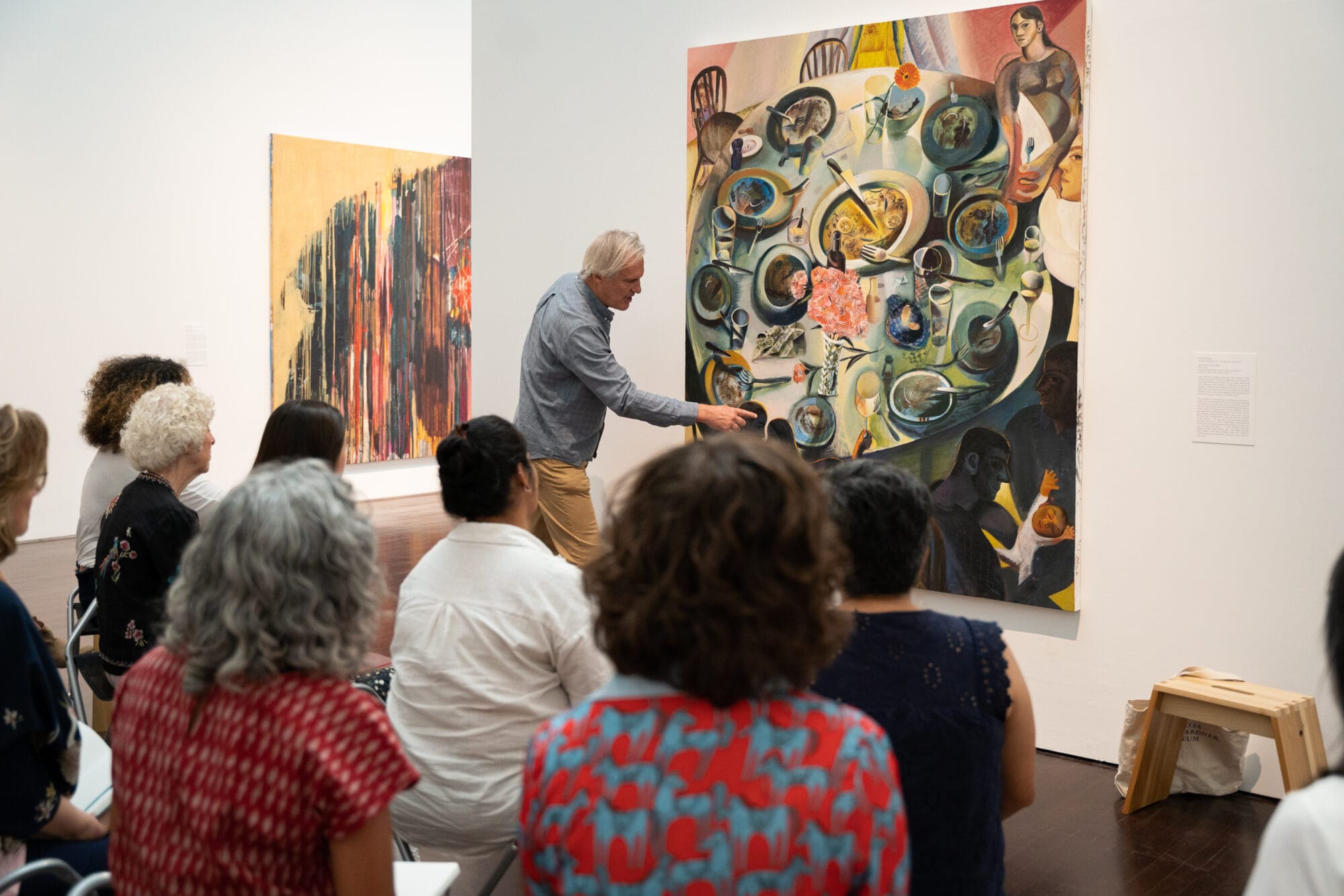
Ever wondered how others interpret an artwork? Let’s explore a visitor-favorite in our collection together! We’ll use creative ways of looking to make connections and meaning. Recommended for all visitors 12 years & older.
1 – 5 pm
Activities led by Creative Action
Capitol Room, second Floor, Check-in Building
Make Your Own Art – Create your own artwork using the science of circuitry; engineer your own live melody using your own Makey Makey setup! Learn how the data you input can translate to the creation of visual and musical art!
Stop Motion AI Studio – Learn how to use AI as your ally for generating original shortform adventures at the Stop-Motion AI Studio! Generate AI backdrops and storyboards to craft adventures using the science of stop motion. Each lightbox is a window into an epic story.
2 pm
Curator’s Choice tour
Register at Check-in Building to confirm
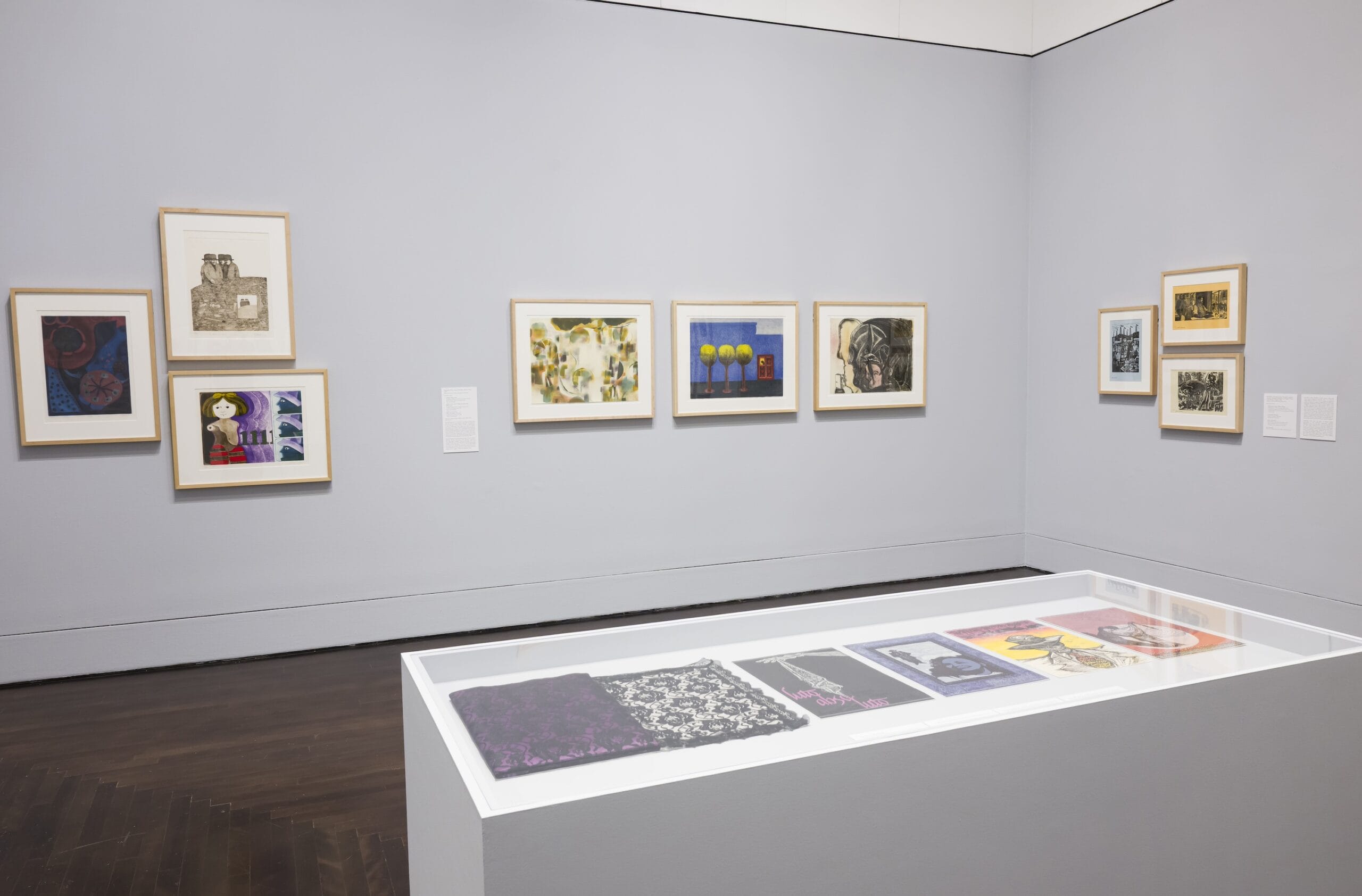
Black lace, romantic music, and death: a sexy but mournful artwork by Puerto Rican Antonio Martorell is the topic of this talk. Martorell came from a tradition of exploring musical themes in printmaking. In this print set he called Absolute Mourning, Homage to Toña la Negra he remembers a Mexican singer of Haitian ancestry famous for singing boleros. Led by Florencia Bazzano, Assistant Curator, Latin American Art.
3 pm — 7 pm
Activities led by iCode School
Dell Classroom, second floor, Check-in Building
Interactive Art – Attendees will experience data-driven art by interacting with a live camera feed. By standing in front of the camera and experimenting with movement, participants will create dynamic pointillismstyle digital art pieces in real time. The artwork created can then be processed through a generative AI model to produce different variations of each piece.
VEX Robots w/ iCode School – Attendees can experiment with our VEX robotics kits through hands-on activities like bot battles, soccer challenges, and tug-of-war.
3 pm
Art with an Expert: Sharon Louden
Auditorium, Check-in Building
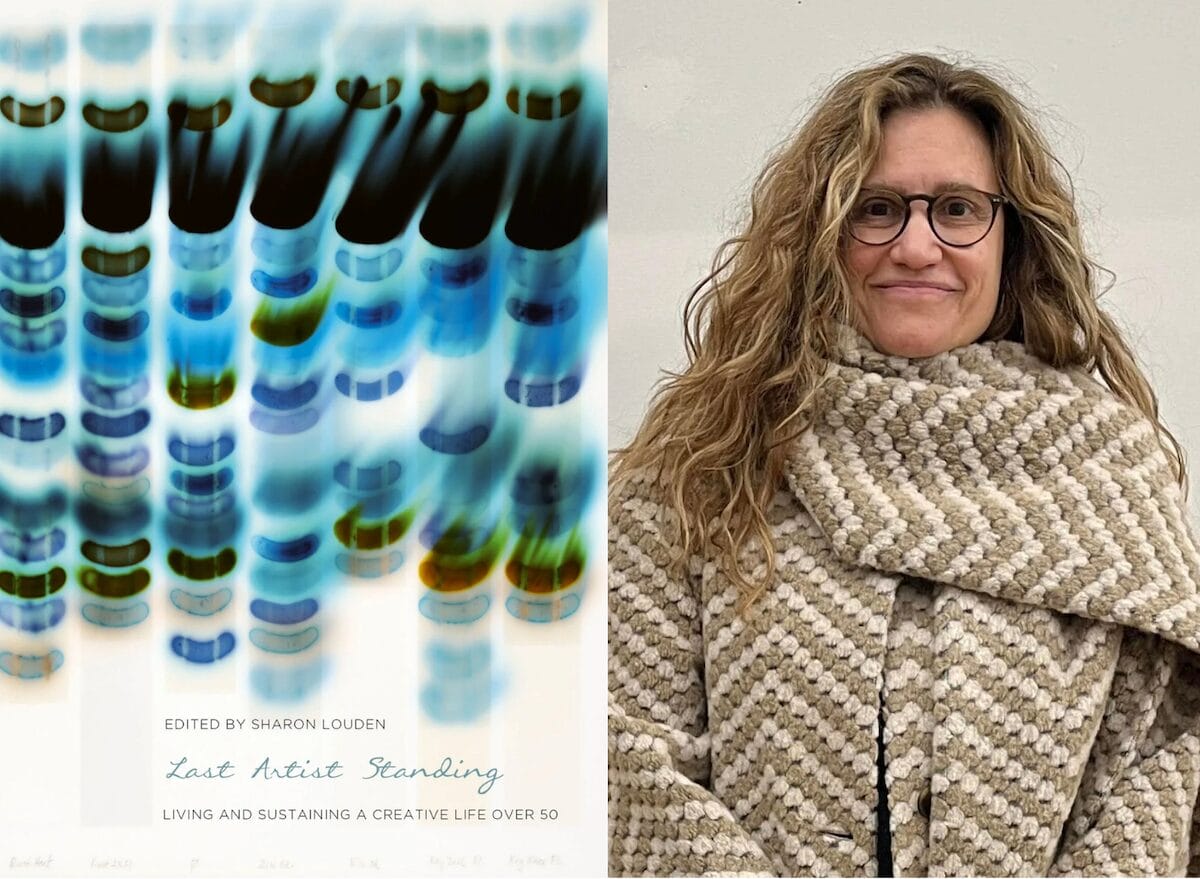
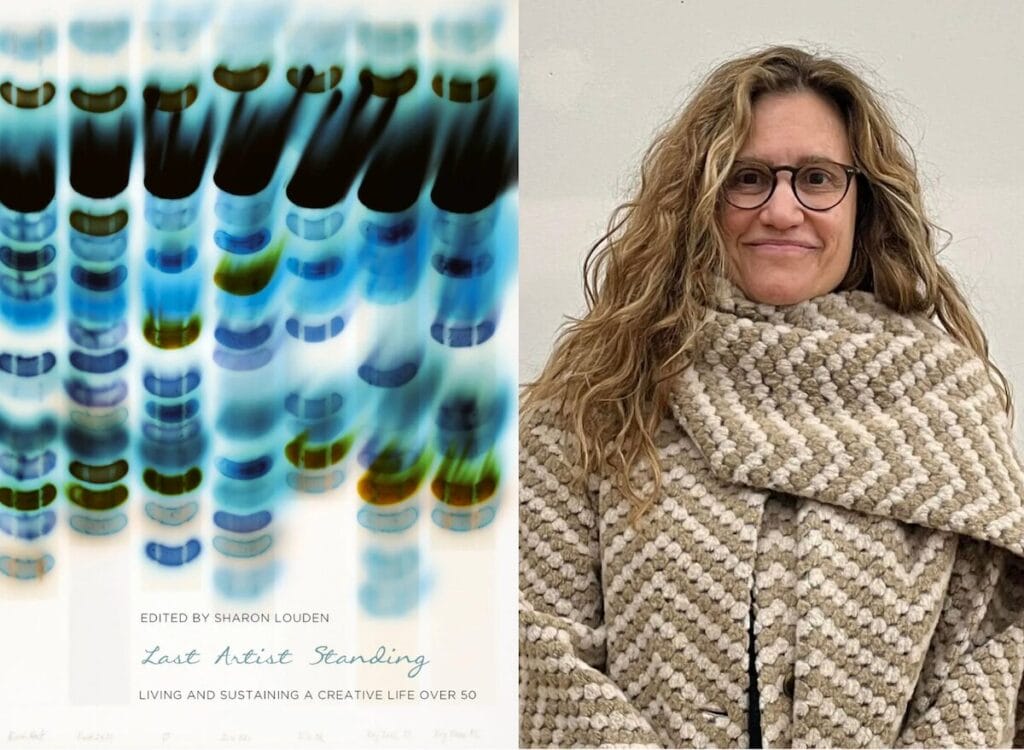
We’re thrilled to welcome back Sharon Louden, artist and author of Last Artist Standing: Living and Sustaining a Creative Life Over 50. Louden’s latest book highlights the lives of 31 artists who have continued to create, contribute, and lead well beyond the age of 50. By sharing their experiences, Last Artist Standing offers models of resilience, ingenuity, and pragmatic solutions—valuable for artists of all ages and for those both inside and outside the art world. Followed by a Q&A.
ABOUT THE SPEAKER
Sharon Louden wears many interchangeable hats: artist, educator, advocate, consultant, community builder, founder and director of the Institute for Sustained Creativity, and editor of the Living and Sustaining a Creative Life series of books. As a changemaker, Louden amplifies unheard voices and advances meaningful opportunities for artists across all disciplines toward sustaining their creative lives.
As an artist, her work has evolved from using writing as a medium, to figuration then abstraction through her paintings and drawings, to creating many physical environments that involve an inclusive advocacy using a varied range of media.
A visionary leader with decades of experience in academia, Louden is also a committed connector—bridging communities and catalyzing change, particularly on behalf of underserved artists within institutional structures. She is a skilled collaborator, bringing together siloed stakeholders from the nonprofit and business sectors to spark dialogue and drive collective progress. All of her work—no matter the form—is rooted in her active creative practice as a working artist.
Art With an Expert is organized by the Blanton Museum of Art. Support for this program at the Blanton is provided by the Carolyn Harris Hynson Centennial Endowment.
3 – 6 pm
Pop-Up Print Exhibition – Prints Decoded: Printmaking Technologies from Manual to Digital
H-E-B Study Room, Ground Floor, Michener Gallery Building
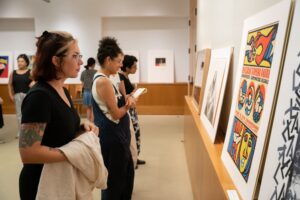
Come view highlights from the Blanton Museum’s collection and learn about the development of printmaking technologies over the last five centuries. An array of works will be on display including woodcuts, etchings, lithographs, screenprints, digital prints, and more. Organized by Rachel Urbano.
4:30 pm & 6:30 pm
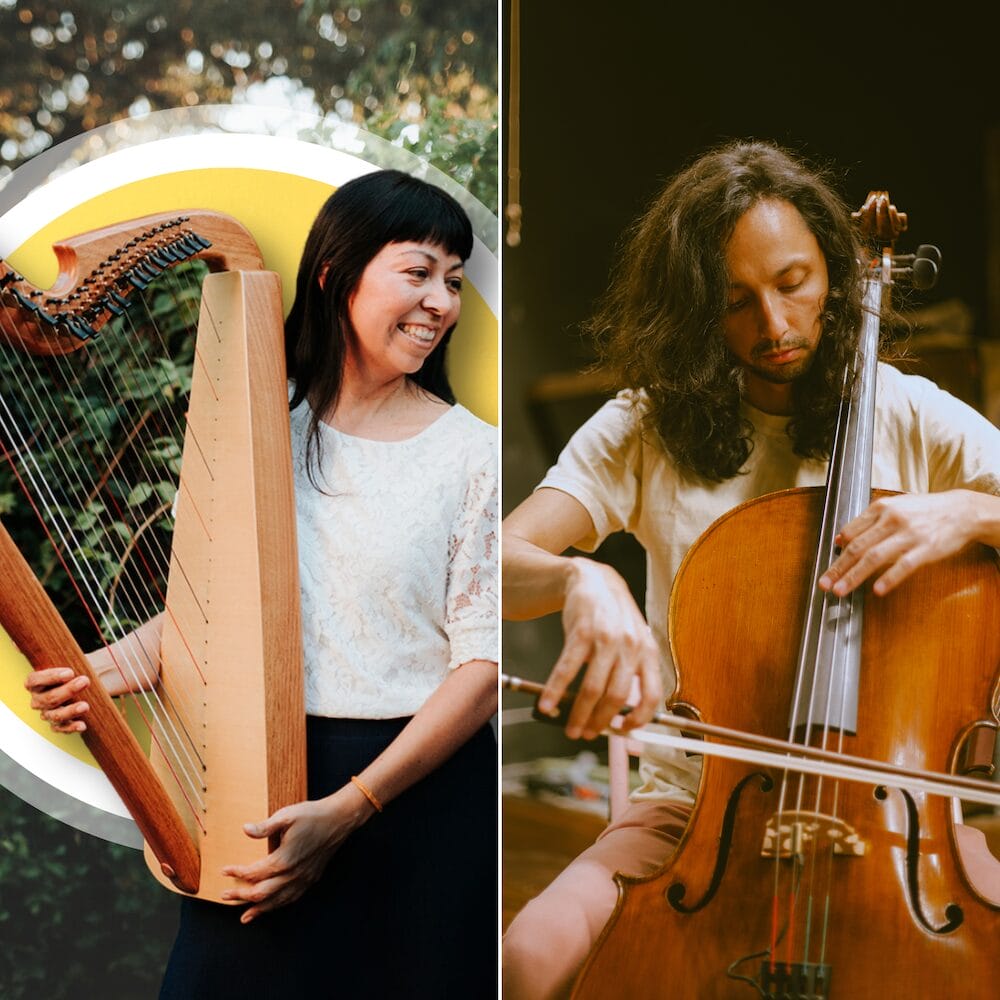
Live Performances by Joey Reyes and Andrea Cortez
Atrium, Michener Gallery Building
Enjoy two electro-acoustic sets by Joey Reyes and Andrea Cortez.
We’re thrilled to welcome back Sharon Louden, artist and author of Last Artist Standing: Living and Sustaining a Creative Life Over 50. Louden’s latest book highlights the lives of 31 artists who have continued to create, contribute, and lead well beyond the age of 50. By sharing their experiences, Last Artist Standing offers models of resilience, ingenuity, and pragmatic solutions—valuable for artists of all ages and for those both inside and outside the art world. Followed by a Q&A.
ABOUT THE SPEAKER
Sharon Louden wears many interchangeable hats: artist, educator, advocate, consultant, community builder, founder and director of the Institute for Sustained Creativity, and editor of the Living and Sustaining a Creative Life series of books. As a changemaker, Louden amplifies unheard voices and advances meaningful opportunities for artists across all disciplines toward sustaining their creative lives.
As an artist, her work has evolved from using writing as a medium, to figuration then abstraction through her paintings and drawings, to creating many physical environments that involve an inclusive advocacy using a varied range of media.
A visionary leader with decades of experience in academia, Louden is also a committed connector—bridging communities and catalyzing change, particularly on behalf of underserved artists within institutional structures. She is a skilled collaborator, bringing together siloed stakeholders from the nonprofit and business sectors to spark dialogue and drive collective progress. All of her work—no matter the form—is rooted in her active creative practice as a working artist.
Art With an Expert is organized by the Blanton Museum of Art. Support for this program at the Blanton is provided by the Carolyn Harris Hynson Centennial Endowment.
Join this guided tour to learn more about Run The Code, an immersive exhibition that transforms digital information into sensory works of art.Featuring highlights from the Thoma Foundation’s Digital and Media Art Collection, Run the Code brings together leading digital artists who transform algorithms and technology into powerful, thought-provoking works. Through close looking and conversation, we will make meaningful connections to the works of art on display. Learn more about the show on the “Run the Code” exhibition page.
Please arrive at least 15 minutes before the start of the tour. Our tours can accommodate a maximum of 25 people on a first come, first serve basis. Please check-in with our Visitor Services Desk to secure your place.
Únase a este recorrido guiado para conocer más sobre Run The Code, una exposición inmersiva que transforma la información digital en obras de arte sensoriales. Con obras destacadas de la Colección de Arte Digital y Mediático de la Fundación Thoma, Run the Code reúne a los principales artistas digitales que transforman algoritmos y tecnología en obras poderosas y que invitan a la reflexión. Más información sobre Run the Codeen la página web dedicada.
Se ruega llegar al menos 15 minutos antes del comienzo de la visita. Nuestras visitas guiadas tienen capacidad para un máximo de 25 personas por orden de llegada. Por favor, regístrese en nuestro mostrador de servicios al visitante para asegurar su plaza.
Join this guided tour to learn more about Run The Code, an immersive exhibition that transforms digital information into sensory works of art.Featuring highlights from the Thoma Foundation’s Digital and Media Art Collection, Run the Code brings together leading digital artists who transform algorithms and technology into powerful, thought-provoking works. Through close looking and conversation, we will make meaningful connections to the works of art on display. Learn more about the show on the “Run the Code” exhibition page.
Please arrive at least 15 minutes before the start of the tour. Our tours can accommodate a maximum of 25 people on a first come, first serve basis. Please check-in with our Visitor Services Desk to secure your place.
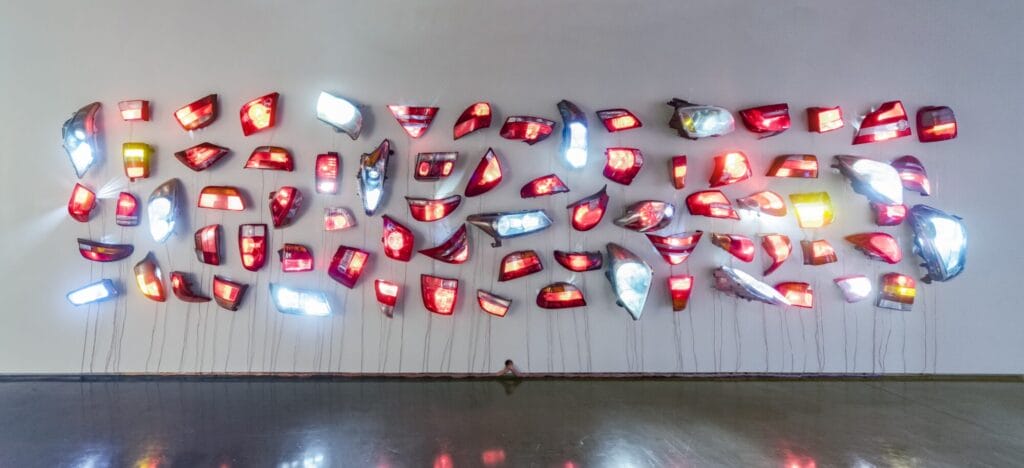
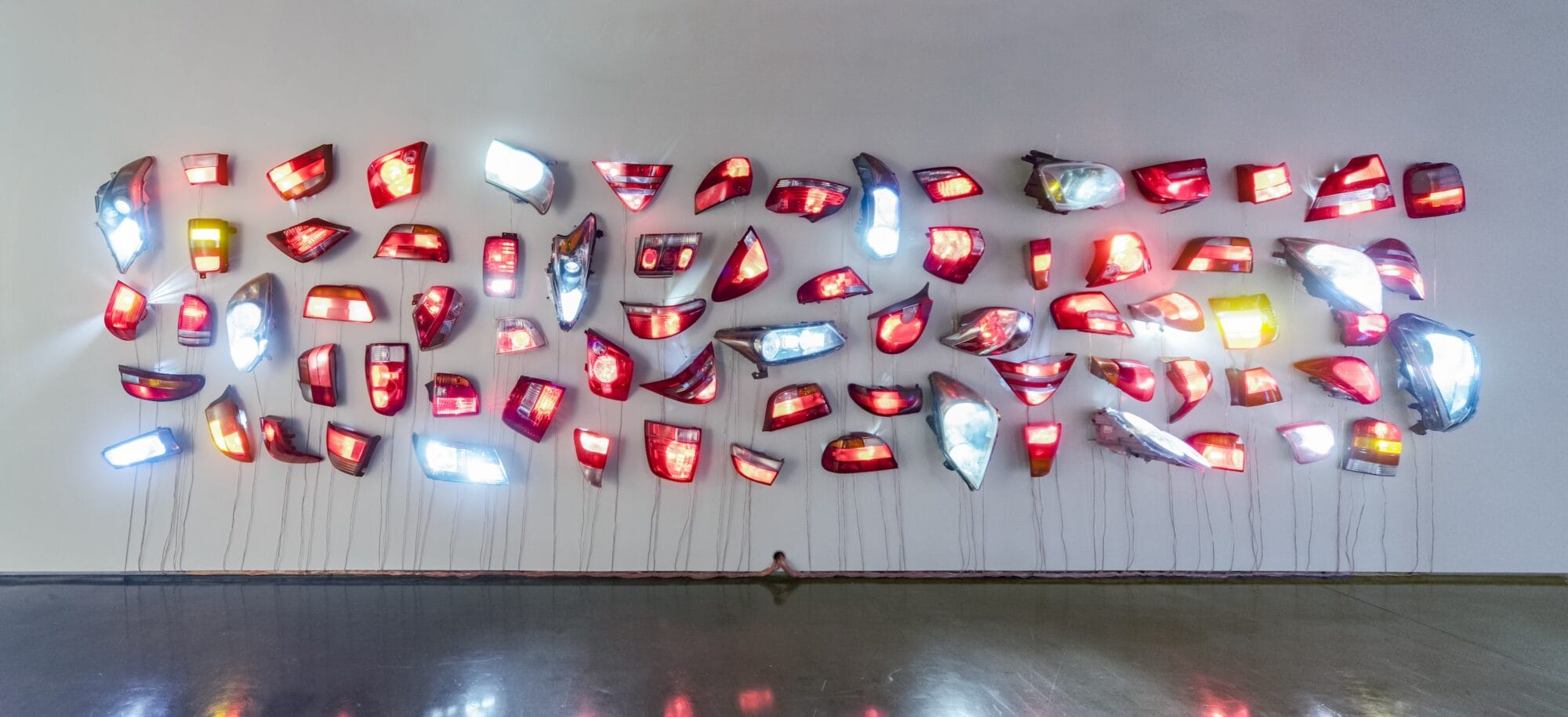
Madeline Hollander, Heads/Tails: Walker & Broadway 4, 2020, 73 Automobile headlights and taillights customized with LEDs and real-time software program, infinite, display: 120 x 240 in., Collection of the Carl & Marilynn Thoma Foundation
Run The Code: Data-Driven Art Decoded by Thoma Foundation X Blanton Museum of Art is organized by the Carl & Marilynn Thoma Foundation in collaboration with the Blanton Museum of Art.
Support for this exhibition is provided in part by J. P. Morgan Private Bank.